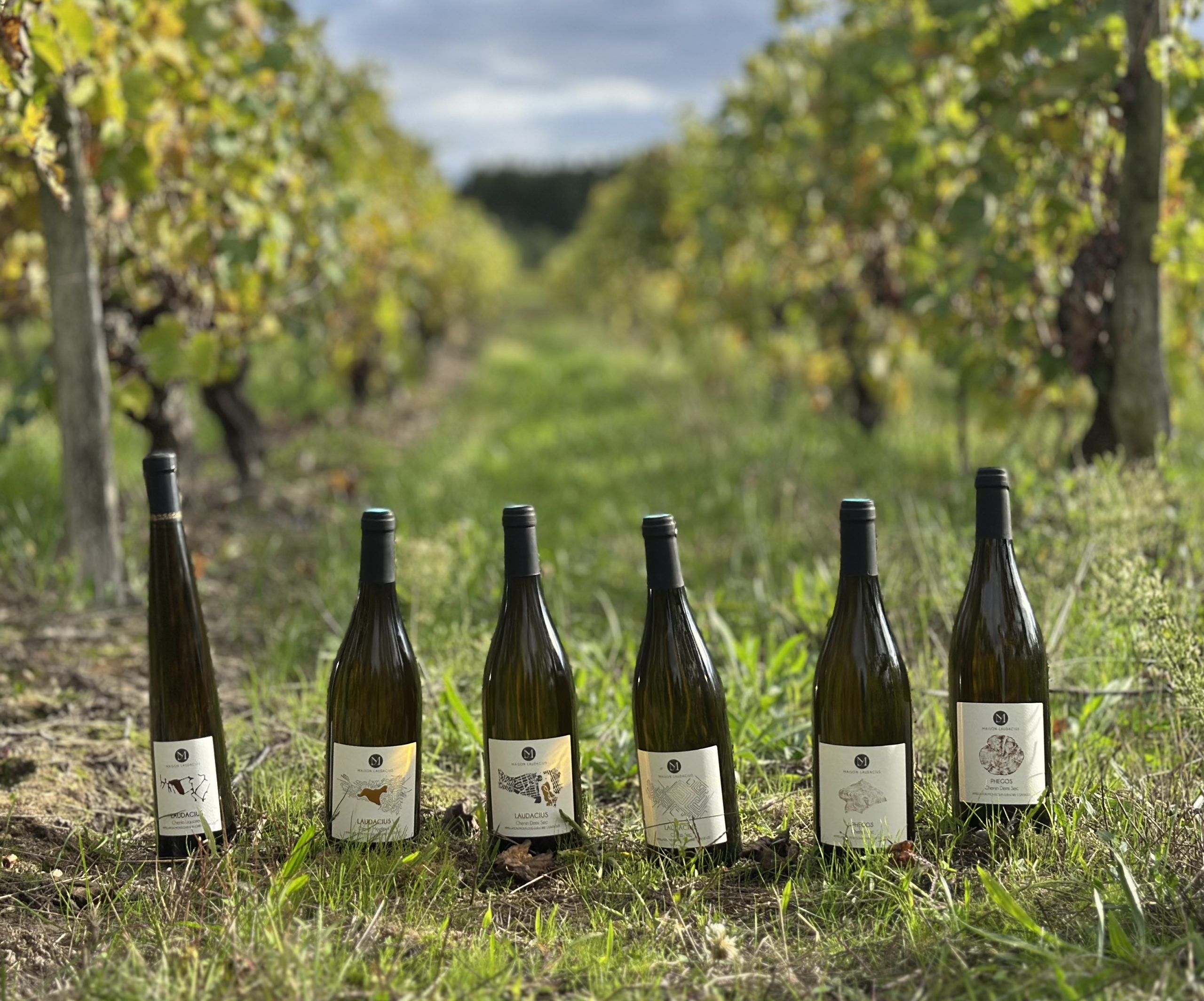
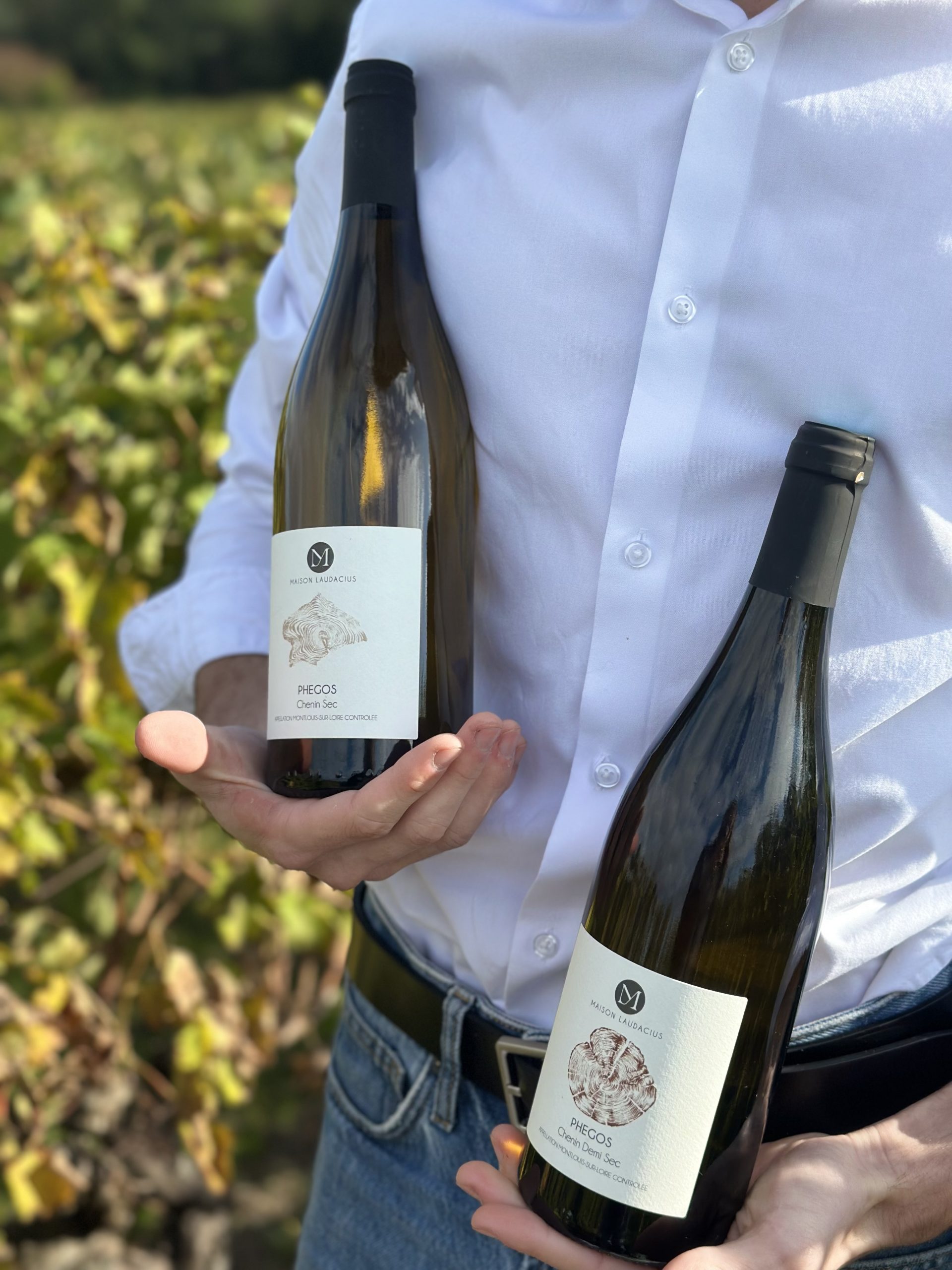
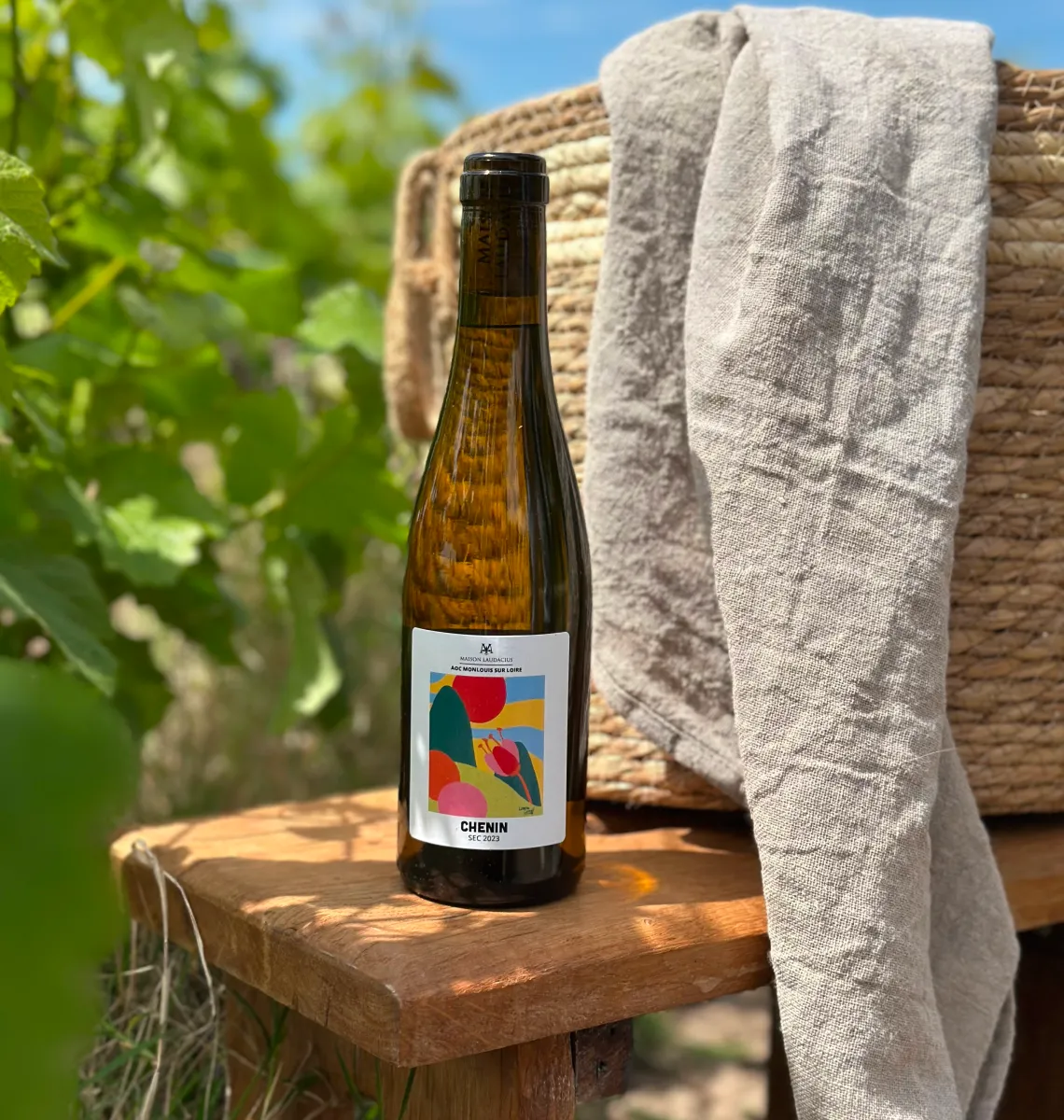
Our Still Wines
The Birth of Still Wines
Contrary to popular belief, the first wines of Montlouis were still wines rather than sparkling ones.
At Maison Laudacius, this tradition has been carried on for several generations.
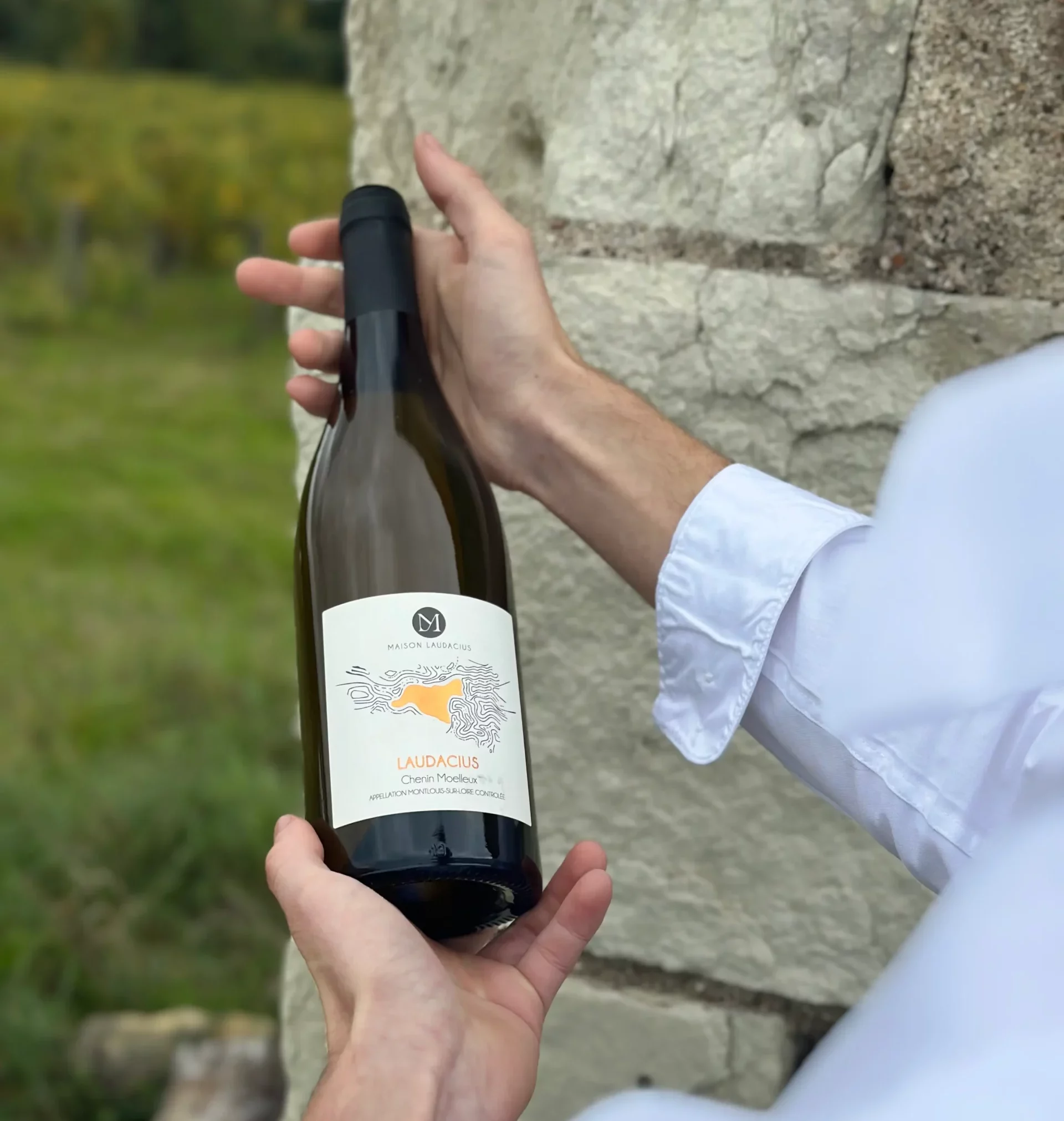
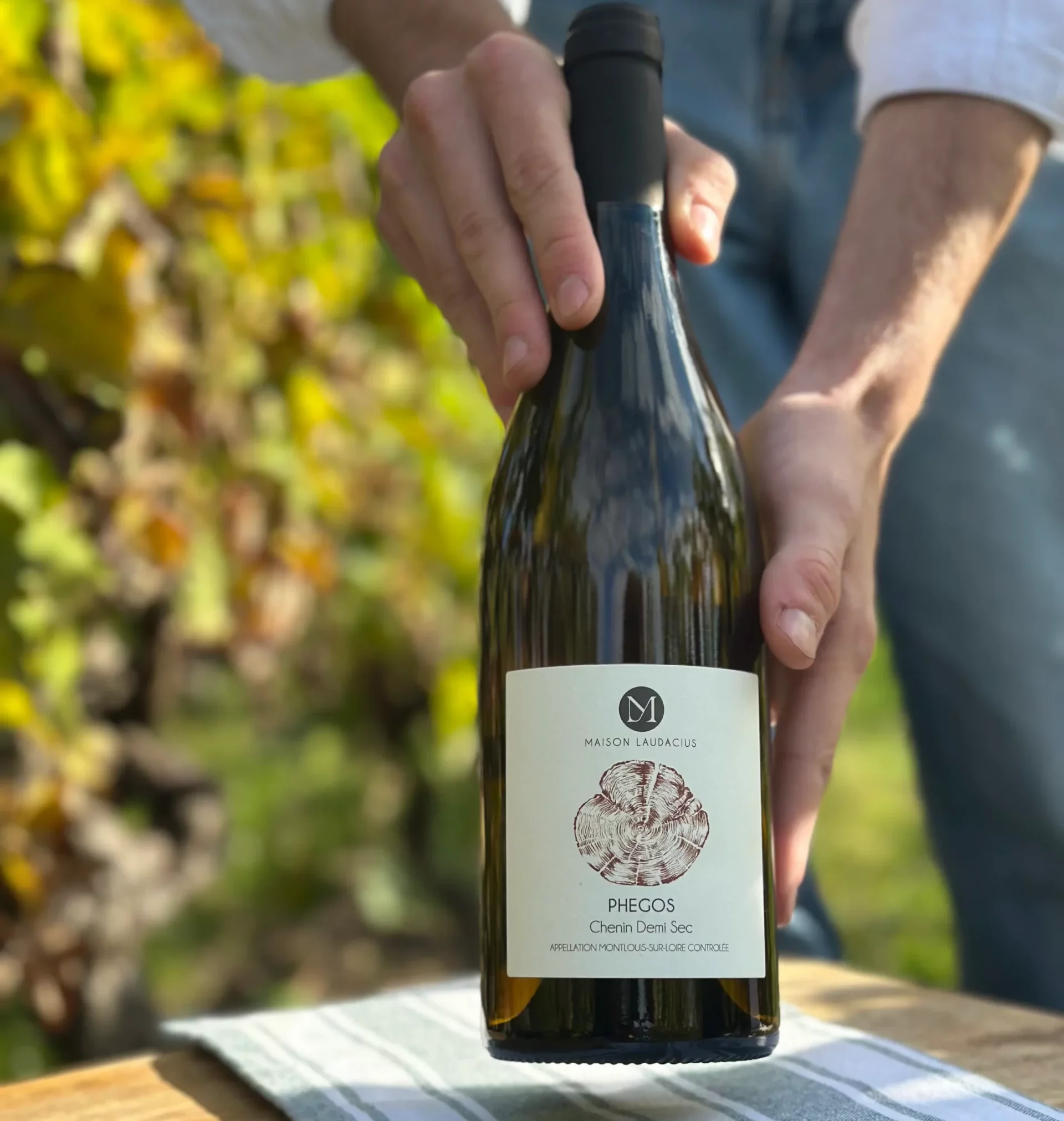
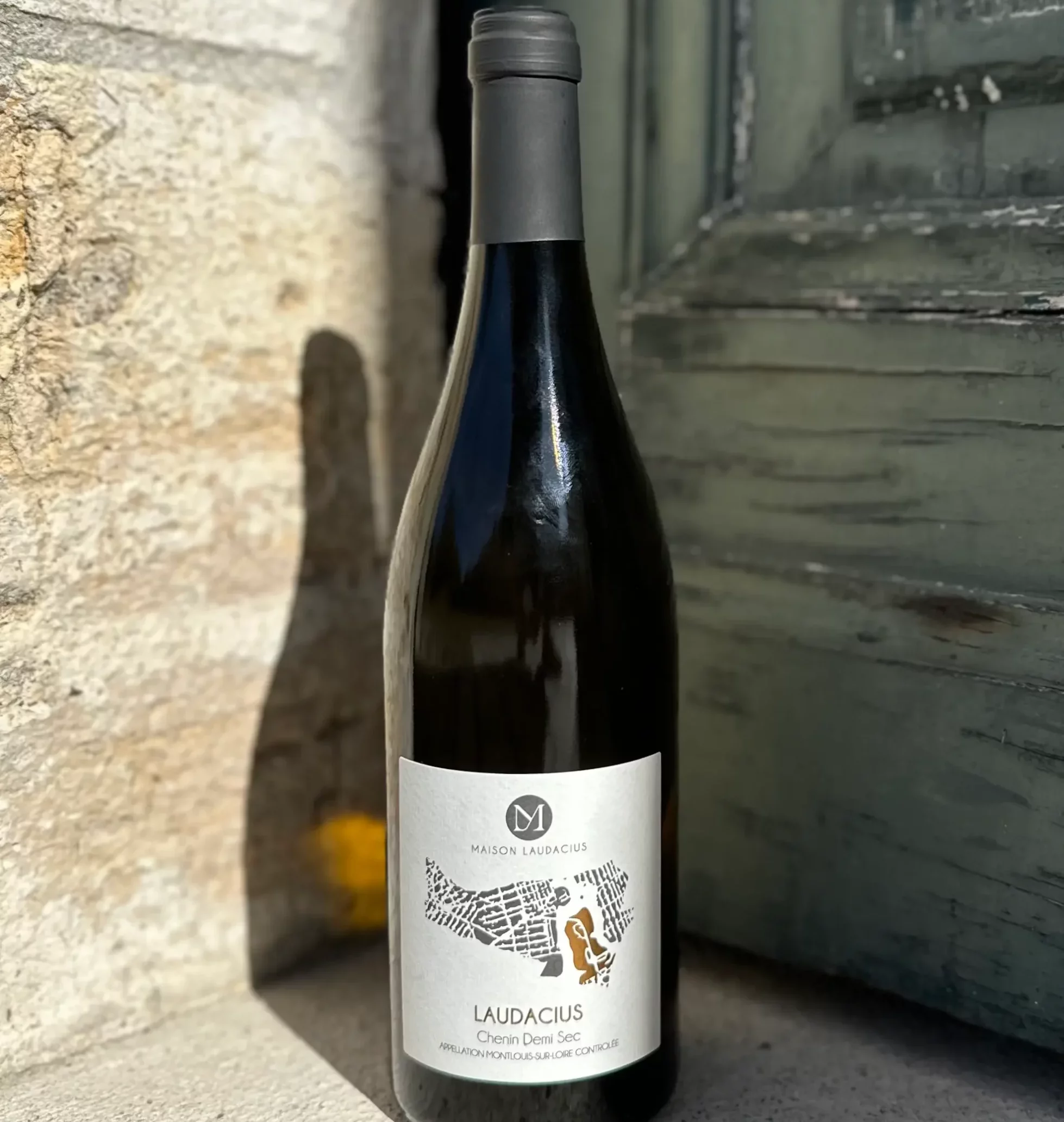
Our cuvées tell the story of our grape variety, Chenin Blanc, and of the Loire terroir that continually reinvents it.
If you want, I can make it sound more formal, more marketing-oriented, or more poetic depending on where you plan to use it.
1947
An Exceptional Vintage, a Turning Point for Montlouis
The year 1947 remains etched in the memory of winemakers. It marked a decisive turning point for Montlouis, revealing the full richness and versatility of Chenin Blanc, this emblematic Loire grape variety.
Indeed, it is one of the few grape varieties capable of expressing itself in all styles: dry, off-dry, sweet, or lusciously sweet, depending on the vintage.
Let the Chenin and the terroir speak by limiting human intervention, guiding the wine rather than controlling it.
— Sylvia, Cellar Master & Oenologist
Cellar Master & Oenologist
A New Chapter Begins
Today, a new chapter is being written in Montlouis, driven by Sylvia, our passionate Cellar Master and oenologist. Drawing on her experience and guided by a living, respectful approach, Sylvia embodies a new philosophy of winemaking.
For her, each vintage is a sensory journey where patience, attentiveness, and precision come together to reveal the very essence of Montlouis.
The harvest, picked at perfect ripeness, is gently pressed to preserve the purity of the fruit.
Once in the cellar, the grape musts (freshly pressed grape juice that still contains the skins, seeds, and sometimes stems) begin fermentation in order to retain the full expression of the terroir. A careful selection of juices is carried out for all our still wines.
The ageing process is then tailored to the profile of each wine: stainless steel tanks or oak barrels.
Our House is also committed to experimentation. We have introduced stoneware amphorae, crafted in the south of France, to create a singular cuvée: Amphora.
Both ancestral and innovative, these vessels allow for subtle micro-oxygenation, encouraging an authentic expression of Chenin Blanc—unadorned and with minimal intervention.
Portrait of Sylvia, our Cellar Master
Can you tell us about your journey and what led you to become an oenologist and Cellar Master in Montlouis?
I obtained my National Diploma in Oenology (DNO) in 2008, then spent a year abroad between the United States and South Africa, where I first discovered Chenin Blanc. After fourteen years working in the commercial side of oenological products, services, and consulting, I felt the desire to take the next step and move to the other side.
Rather than advising winemakers on what they should do, I wanted to take action myself—to make the wine.
Arriving in Montlouis on the eve of the 2023 harvest was a real challenge, but also an incredibly formative experience. I have a particular affinity for sparkling wines: they require technical precision and constant attention, as their development is never truly complete. It’s a living process, where you must continually work in harmony with the material.

How do you find the balance between human intervention and respect for living systems?
Chenin Blanc is a particularly rewarding grape variety to work with: it is not very prone to oxidation, offers great versatility, and has a naturally balanced profile. It allows the terroir to express itself with sincerity, while keeping intervention to a minimum. It is a grape that stands on its own, inviting us to accompany it rather than direct it.
What do traditional vessels like barrels and amphorae bring to the texture and aromatic expression of Chenin?
These traditional vessels are true allies for certain more limited cuvées. They are living materials that add an extra dimension to both the texture and the aromatic complexity of the wine. They allow us to explore other expressions of Chenin—deeper, more nuanced, and more authentic.
What would you like wine lovers to feel when tasting a wine you have crafted?
Above all, pleasure. I would like our customers to connect with the personality and balance of my wines, and perhaps even for them to become a benchmark for those who discover them.
If you had to sum up your work in three words, which would you choose?
Passion, patience, and pleasure.